|
In college, as I was learning and preparing to become an educator, during the summer I was a camp counselor. I counseled junior campers (3rd grade - 6th grade, junior high campers, and senior high campers. I LOVED being a camp counselor. I loved the hussle, the relationships I built with campers and other staffers, planning activities, you name it, I loved it. Looking back, it definitely was the right job for me becoming a teacher! The reason I bring up this experience is because I learned something very valuable at a very young age and at an early stage of my career…. Read the dang book! You may be wondering how camp counseling and read alouds go hand in hand? Well, one thing I did as a counselor is every night before lights out, or even after with a flashlight, I would read aloud. EVEN TO MY SENIOR HIGH KIDS! I read aloud every single night, no matter the age level I had in my cabin. And do you know what, every age level loved it and would end up asking me to read more than one a night by the end of the week. This experience showed me then and reminds me now, that kids need to hear us read those dang books! NO MATTER THE AGE! Whether they are a kindergarten experiencing school for the first time, or a sixth grader finding his/her own way in the world, or a junior in highschool making decisions for their future, they are all still KIDS. They are all still looking for the fun, the adventure, the escape a read aloud can bring. As teachers we often get so rushed by the events of our day that we so easily push that read aloud aside, especially the older our students get. I want you to take a second and think, how often do you read aloud to your students? How often do they hear you or another teacher read to them? Studies have proven the benefits of students being read aloud to, but somehow it can feel difficult to squeeze into our day. I encourage you now, pick up that book and read it to your students! Make time for it in your daily routines. Read alouds are powerful tools in the classroom and at home. Some of our favorite read aloud books are: 1. Andrea Beaty books like Rosie Revere Engineer 2. Peter Reynolds books like Word Collector 3. Stuck by Oliver Jeffers 4. Those Shoes by Maribeth Boelts 5. Sandra Markle books like What if You Had Animal Eyes? 6. You are Special by Max Lucado 7. The Miraculous Journey of Edward Tulane by Kate DiCamillo 8. The Old Women Who Named Things by Cynthia Rylant 9. The Most Magnificent Thing by Ashley Spires 10. Who Would Win Books 11. Say Hello by Jack and Michael Foreman 12. The Cool Bean by Jory John and Pete Oswald (the same authors also wrote The Bad Seed and The Good Egg) We hope this list might give you some new book ideas to pick up and read! We would also love to hear from you about what some of your favorite read alouds are too! Comment below! Happy Reading!
0 Comments
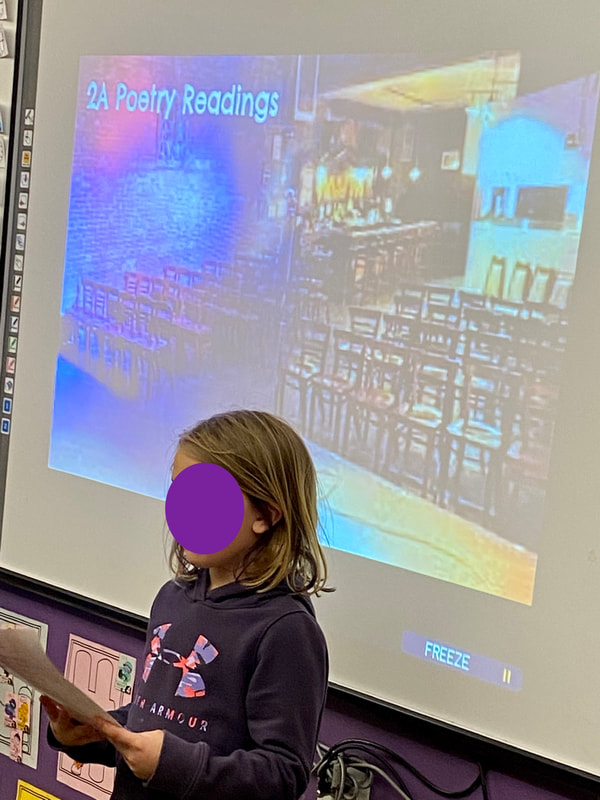
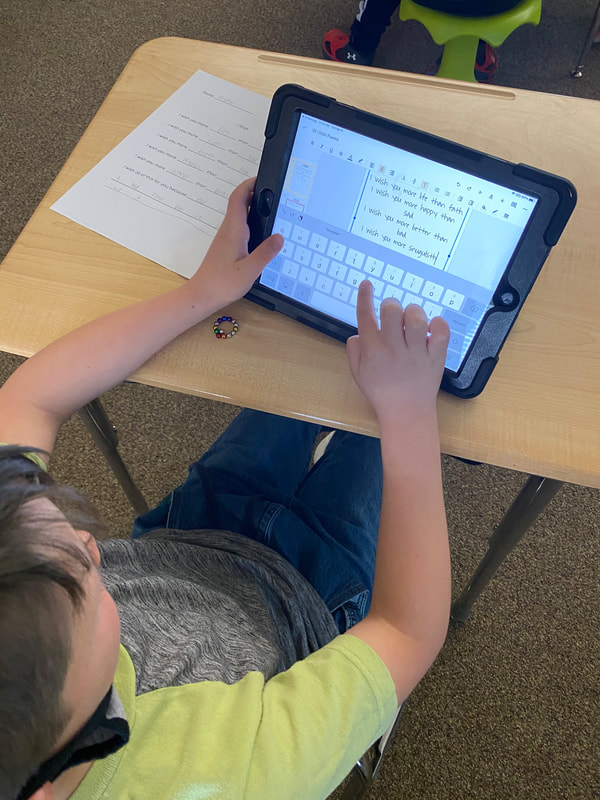
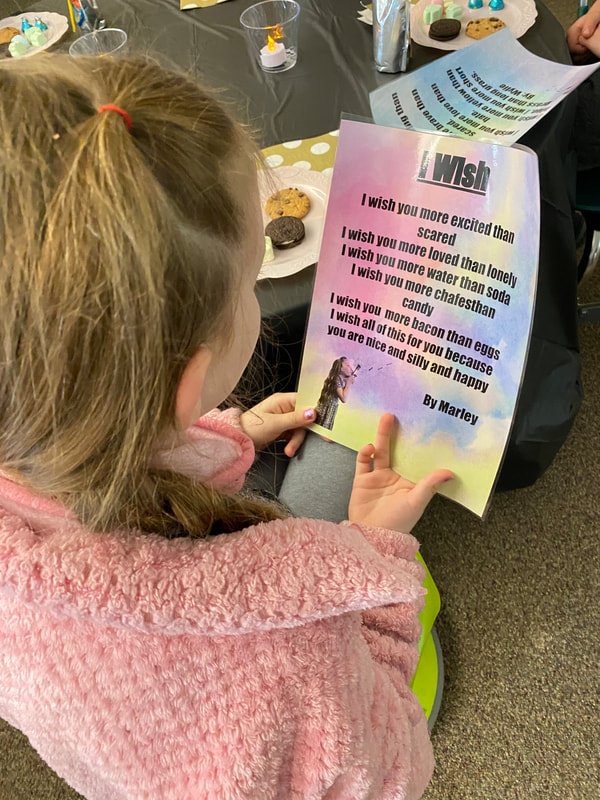
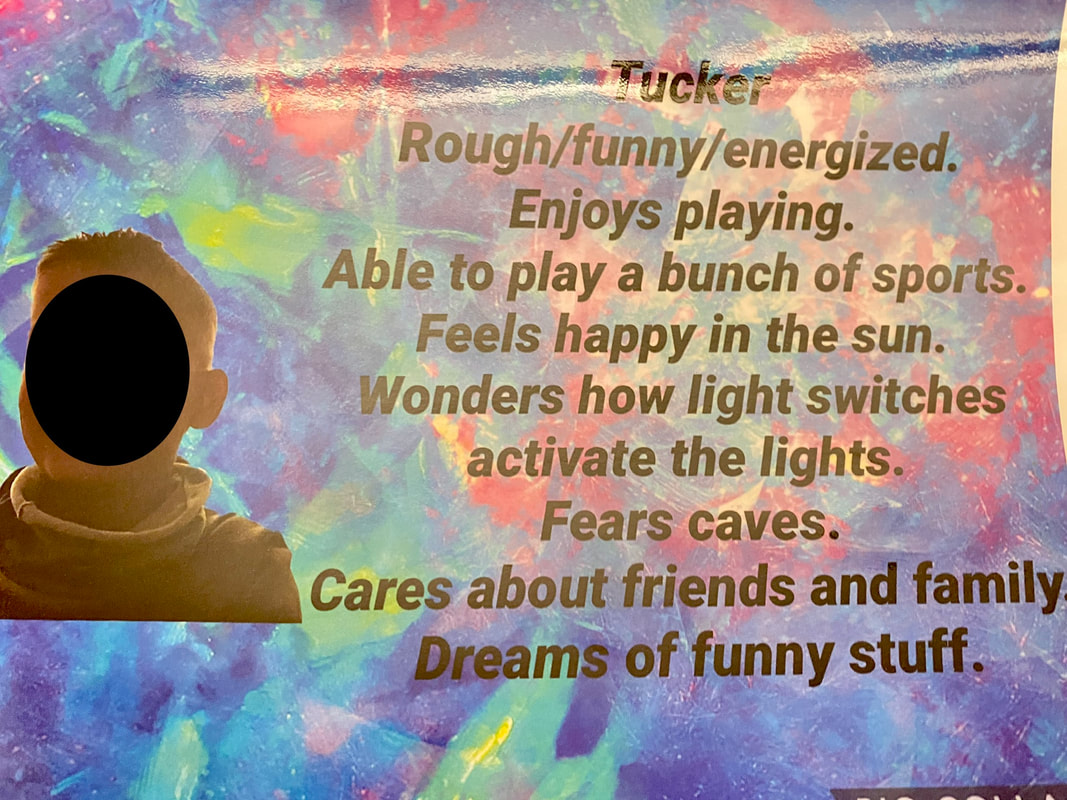
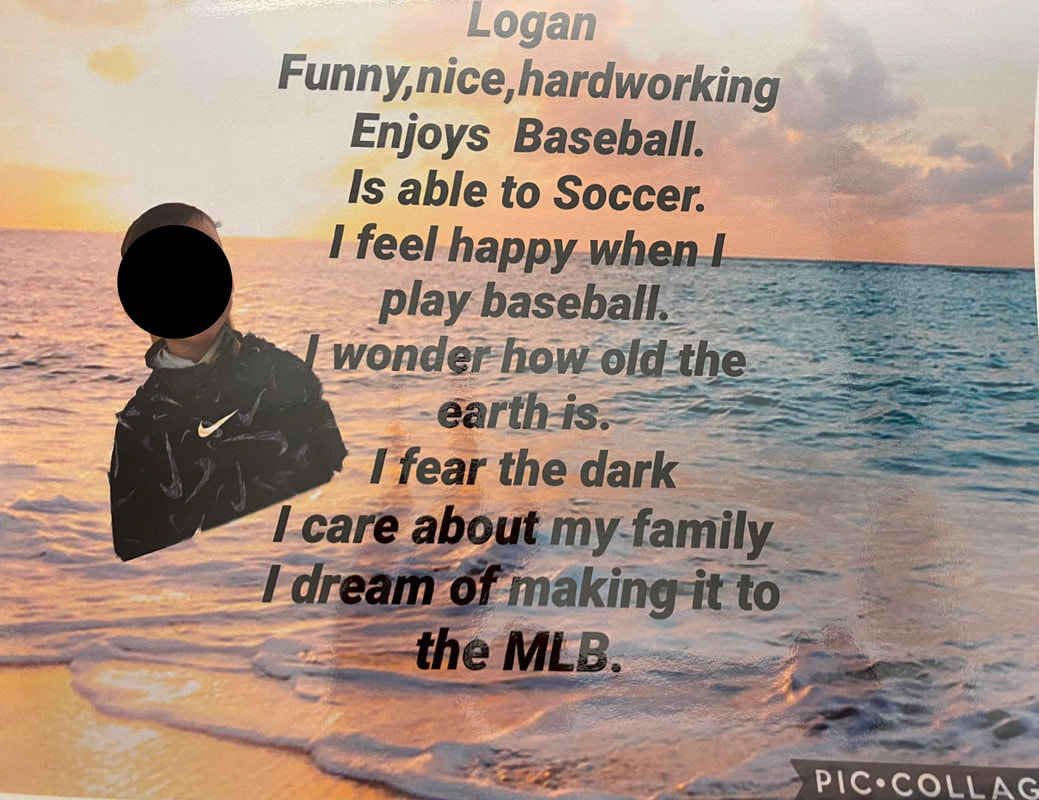
In honor of Teacher Appreciation Week. Thank you to all of the educators out there who do so much for students everywhere. Megan: Most influential teacher….Mrs. Parks hands down! Mrs. Parks was my first grade teacher. She is one of the major reasons why I wanted to become a teacher. She made learning engaging and always did it with a smile on her face. As children, we do not remember the grades, we remember the relationship we had with our teachers and the experiences they created for us in the classroom. My final year of college when it was time for me to be a student teacher, I was able to go back to that same classroom and teach alongside Mrs. Parks. As I began my journey into education she was finishing hers. She would be retiring that year. Watching Mrs. Parks teach her students from a teacher's perspective was eye opening. You could see the care she had for each and every student in her room and they responded to her with an eager to learn. I am now in my 11th year of teaching 2nd grade and am still in contact with Mrs. Parks. She will always hold a special place in my heart and in my classroom.  Kara: When thinking about influential teachers, I have been blessed to have many along my educational journey. But there is one that sticks out in my memory as one who not only impacted my academics but my heart and the teacher I am today. 3rd Grade. Mrs. Miedema. Walking into her classroom felt like home. It was a space where I felt safe and that no matter how I scored on a test or how well I performed on an assignment, I was always welcome. I was not what some teachers would qualify as the best student. It took me a longer amount of time to catch onto concepts, especially in math. She never once made me feel inferior to my classmates, but covered me in encouragement, support, and love. Because of that, I strived to be better. I didn’t want to disappoint her. Her example has stayed with me, even all these years later (not going to say how many years 😉). I strive to show that same encouragement, that same support and love to my students. I strive to be that kind of a teacher, not only because I know that is what is best for my students, but also because I know how much of an impact that can make on a student, even if it's just one.  I remember sitting in class my senior year of high school listening to my teacher tell us how to understand the meaning of a poem. Something about the color red representing loss or being a color of evil. I wondered to myself, “If this is what teaching or learning poetry is all about, it’s not for me.” Because of that poor experience, poetry hasn’t been my favorite thing to pick up and read. It certainly wasn’t something I wanted to teach. For the last few years, I dabbled in teaching poetry to my class. I have to admit, I didn’t believe I was good at writing poetry so I didn’t really expect my students to be either. We wrote some acrostic poems or tried our hand at rhyming, but it wasn’t something purposeful or necessarily meaningful. It was more of a filler activity if we had time. Then I took a master’s class in poetry. As a student, I experienced poetry in a new way and my mindset was shifted. I now view poetry as amazing! Ok...it might have had something to do with my professor and her love, passion, and viewpoint of this type of literature to get me interested but now I am HOOKED! Teachers are amazing that way. 😉 Here are some basics I took away about writing poetry. 1. It doesn’t have to rhyme. 2. You can write any way you want. You don’t want to capitalize a proper noun then don’t. 3. You are never wrong. This was a game-changer for me. That next week I marched to our school library and checked out stacks of poetry books. I couldn’t wait to share these with my class. Each morning I would pick a poetry book, flip to a page, and start reading. Then, as a class, we would talk about what we liked about the poems. Did we like the style? Topic? The way the author wrote it on the page? By the end of the second day, I had students asking if we could write poems. My answer….of course! Before I sent students off to write, I modeled for them first how to get started. (Modeling for students is good teaching practice, no matter the subject area!) I thought of a topic that I knew something about then I started to write phrases. I modeled for students to go back, to change, getting stuck in my thoughts, and finally be happy with my finished product. For the next week, students would get time in the morning to write poems. They wrote about sports, friends, family, colors, themselves, and so much more. Students learned about different types of poems like acrostic, Biographical poems, poems about using their senses, and narrative poems. As a final project to showcase their learning, students listened to the book I Wish You More by Amy Krouse Rosenthal. This book was great text to introduce and teach students about synonyms and antonyms. Students created their own poems based on the work of Rosenthal. They used Google Slides to type their final drafts. Students loved the freedom to use different fonts and sizes. Next, students used PicCollage to create an image of them blowing a wish from a seeded dandelion. One student had the idea to put their wishes in small print and blow them away like the seeds. At the end of the week, we held a poetry reading for our students. Students walked in after lunch to candlelit tables with fancy plates filled with goodies to snack on as they enjoyed the reading of their peer’s poems. The best part was to teach students to snap instead of clap when one’s reading was finished. After seeing the excitement in my classroom throughout this poetry unit, I am so excited to integrate this into our upcoming years, thinking of new ways to make it even more impactful. Students loved to share their poems and I learned so much more about them from their writings. Now keep in mind, we like to Integrate subjects, standards, and skills whenever we can. We also like to spiral our learning and our teaching. With that being said, we came up with a short list of different ways you could integrate poetry into your teaching. These are only a few ideas to help get your creative juices flowing!
Anyone else remember the early 90’s sitcom, Home Improvement? That was a weekly family event in our house, watching the new episode that came out. And then after it stopped airing, every rerun that was shown. I am pretty sure I could at least remember a snippet from every episode of that show. But the one line that you heard on every episode, without fail… “Does everyone know what time it is? Tool Time!” Anyway … when thinking about what we wanted to share this week, we wanted to give you some concrete takeaways that you could implement tomorrow if you’d like. So we decided that we would share our top ten tools. Now, we aren’t going to share about tools that can fix your leaky faucet or wiggly table, but some tools that we find we use on a consistent basis in our classrooms, tools (both hands on and tech related) that we couldn’t teach without! Now you know why that classic Home Improvement line kept popping up into my head! 😉 Top Ten Tools:
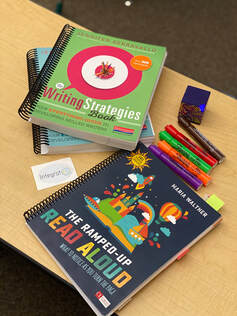 7. Symbaloo: This is a website that allows you to create a grid of all the websites that you use frequently. We set this as our home page on our preferred internet browser. Then when we open our internet browser when we start our day all of the daily websites we need are right there! When using Google Chrome, you can also “Pin” this site to stay up. 8. Apps: Book Creator, Epic, Flipgrid, Prodigy (There are more but we tried to limit ourselves! 🙂) 9. Daily Drawers: We have purchased two sets of 3 drawer containers that we use to organize our daily supplies. Whether it is paper copies, read alouds, games, etc. we fill those daily drawers with whatever we may need. This also makes things easy for a sub if they have to come in unexpectedly. 10. IntegratED Unit Planner: We have developed a unit planner that helps us create engaging, effective, creative units throughout our year. We love this planner to help keep us on track and organized for our long term planning and goals. (Coming soon for purchase!) *** None of this is for an ad! These are just some of the things we love that we wanted to share with you!
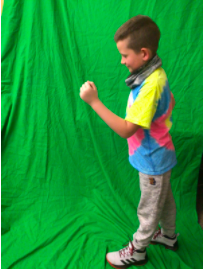
Too often we hear, “My students can’t do that! They are too little to make that work!” However, we are here to tell you that elementary students, even the primary age students (K-2), are capable of doing amazing things with technology. Green screen projects are a great way to integrate technology into your classroom, no matter the grade level! Here are some ideas that can be used as is or modified to fit whatever grade level or subject you teach. 1. Opinion Writing: After students have written an opinion piece, have them bring their writing to life! Students can record themselves reading their writing with images that correspond to their writing in the background. Students were writing their opinion pieces on if they would want to be a cave explorer! This project was integrating research on landforms (science), opinion writing, non-fiction reading skills and strategies, and technology. 2. Current Events: News Report: Students can research and then report on current events, creating their own weekly or monthly news report. 3. Readers Theatre: In a guided reading or whole group setting, students can record their readers theatre performance, using green screen to increase their engagement and ownership of their performance. Getting ready to record on the green screen! A great activity to practice fluency and speaking and listening skills. 4. Informative Writing: Engage audiences by incorporating green screen images or video to showcase a research paper/project. Students will be more motivated and engaged while researching with this end project in mind! Animal research is always a hit with our students! It is a topic that is easily integrated into science, reading, writing, and technology! 5. Students teaching Students: This idea can be modified for so many things! One example would be for math. Students teach students different math problems by breaking them down step by step. The background is the math step/math problem. With this one being recorded and segmented, this one would have to be made into a video so an additional app would be needed to put the video together, such as iMovie. 6. Holiday Fun: Whether you are celebrating Christmas or Valentines Day students can use green screen to send personalized messages or showcase their favorite parts about those holidays. 7. Map It!: Using the subject of social studies and geography, students can showcase their knowledge of different countries, states, locations using those images in the background. 8. All About Me: Need a fun and engaging beginning of the year idea? Have students create an all about me green screen project! Students record themselves sharing their favorite things and a little about themselves. The background images are what they are sharing about in their video. With this one being recorded and segmented, this one would have to be made into a video so an additional app would be needed to put the video together, such as iMovie. 9. Alphabet Fun!: (K-1) Have students show their learning of the alphabet by recording the letters and a word associated with those letters. The background images are the words they are sharing! 10. Bringing Books to Life!: Whether you are working on a book report, reading strategies or skills, green screen is a great way to make books and those abstract skills more scaffolded and engaging to students. Using green screen to showcase student understanding of text is also a great way to differentiate for those students who have difficulty expressing their thoughts on paper. All the ideas listed above can also be done in one of two ways, using a green screen with still picture or video. There are many apps that will help in your green screen creation. A few apps that we use often in our elementary classroom for green screen projects are PicCollage, iMovie, and Green Screen by Do Ink (paid). There are many other apps that are available, these are just our current favorites. ● PicCollage : If you are looking for an app that has lots of options for creation and productivity, look no further! PicCollage is not just for inserting pictures. Students can create so many things using photos, video, cut outs, green screen pictures, various backgrounds, templates, grides, text...you name it. We like this app because it is easy for any age of student to use, as well as, it gives students choice and the opportunity to personalize their learning. Another amazing feature... this app is FREE! There are certain features within the app that you can pay to upgrade, but we have never had the need to do so. ● iMovie: If you are an apple product user, we are sure you have heard of iMovie before. However, many are leary of using iMovie with students because they feel it can be too complicated or overwhelming. We are here to tell you that with modeling and some scaffolding, your students will be able to use and manipulate this app to create green screen magic! iMovie offers many editing and creation features when making a video. This app also has trailer templates that the students can drop their videos into, add text, and then they have their own green screen movie trailer! The iMovie app is also FREE! ● Green Screen by Do Ink: This app is designed specifically for students to create using green screen images and video. The editing and creating of the video is a little simpler than iMovie and more user friendly for primary age students. You can add video, pictures, and there is even a live camera option on the app. There is also the option to add in additional elements to the video/photo. This app offers so many creative elements for students to make their green screen vision come to life! With just a little modeling on how to get started, our students were easily able to figure out the app and create some great content! We highly recommend this app, however, one this to keep in mind is that this is a paid app. One thing we have done in the past to help on cost is we paid to put it on some devices and then had students work in pairs or teams on their project. Now that you have some ideas starting to form and some tools and resources to help you get started, it’s time to jump in and start creating! Green screens are a wonderful way to integrate technology with a variety of content, all while the students' engagement, excitement, and knowledge of both the content and the technology grow. Pro Tip: You don’t actually need to have a fancy green screen to make these projects happen! In our classrooms we actually use plastic tablecloths. They work great, come at a great (cheap) price, and are easily moved, stored, and replaceable. And..... they don’t have to be green! A blue screen can also be used as a background when creating your projects. Here is an example of a green screen corner set up in our classrooms. This was done with a flat green sheet attached at the top of the cupboards. When we are not using it we roll it up and put it on top of the cupboards, out of the way!
*** We recently had the most amazing opportunity to work with Matt Miller and his team. He asked for us to be guests writers on his blog!
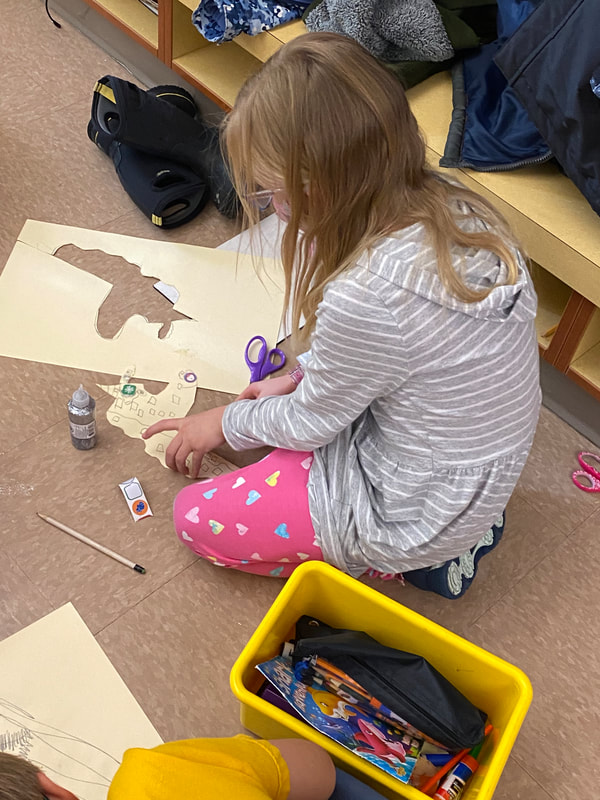
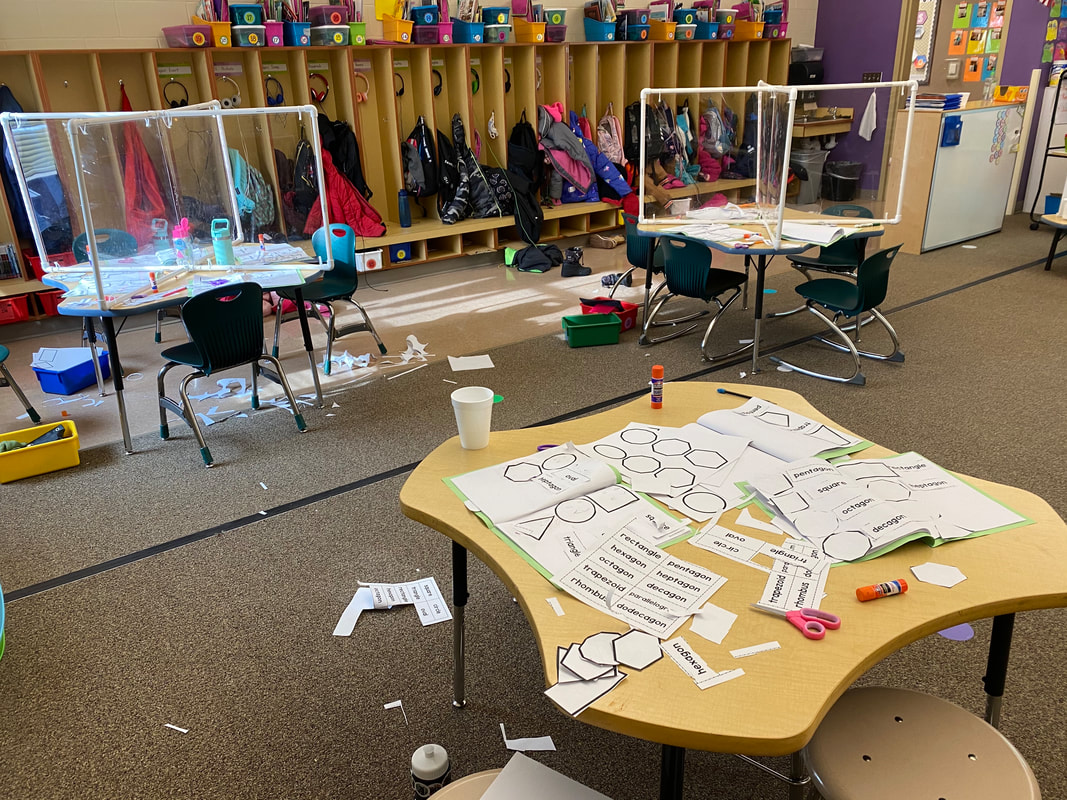
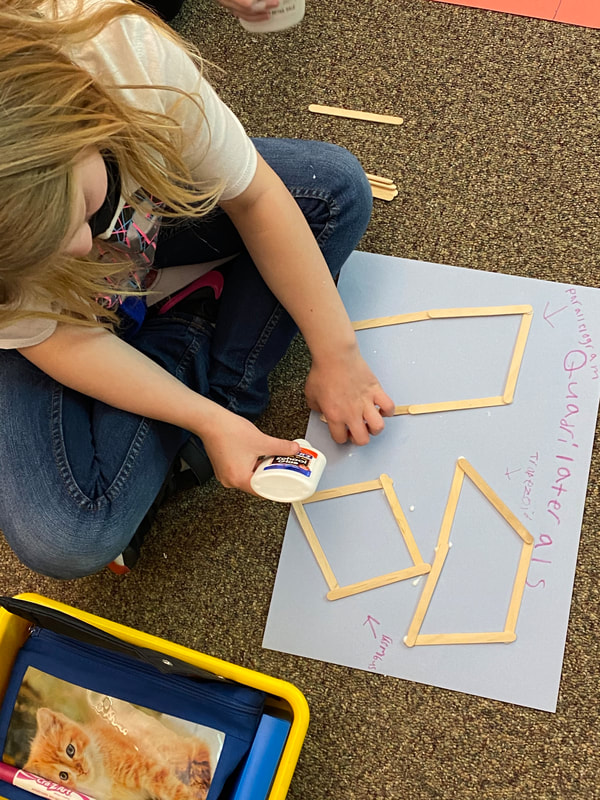
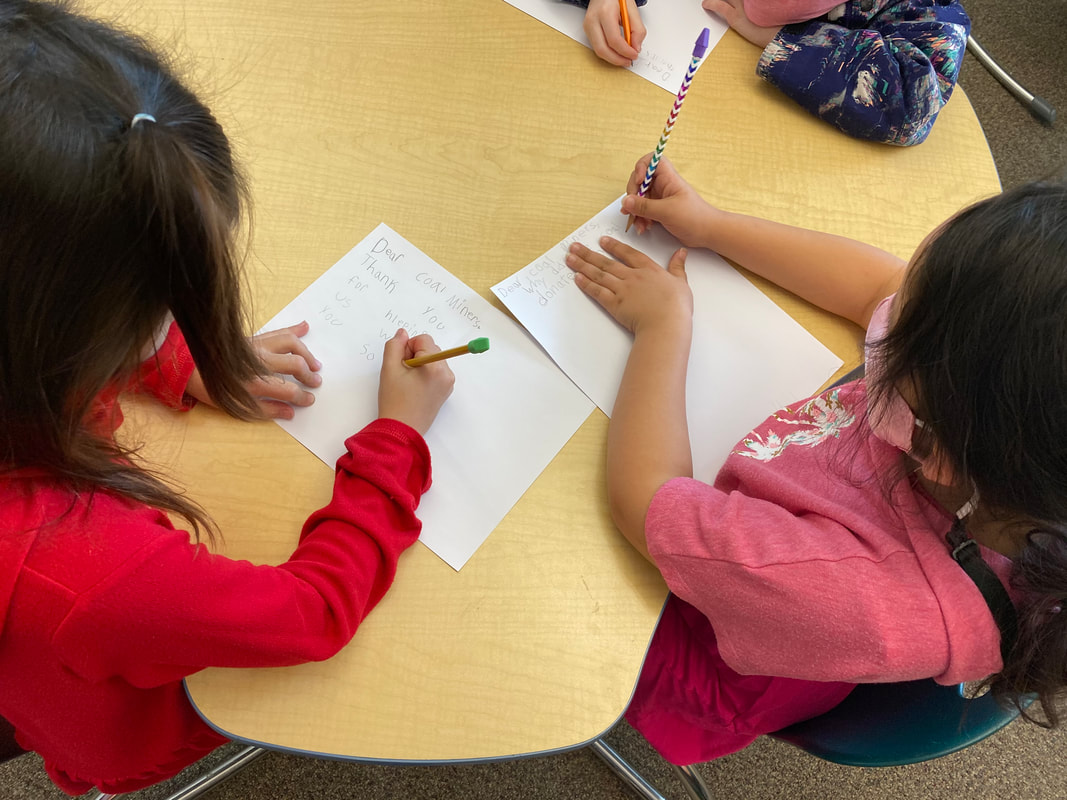
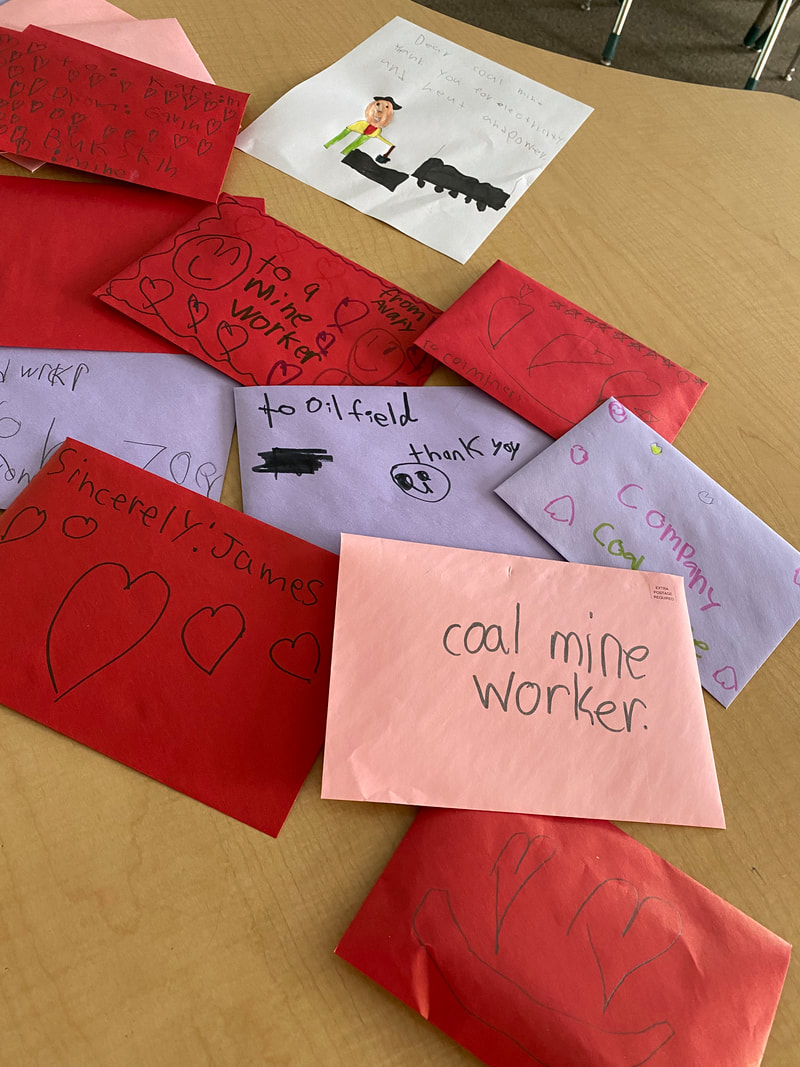
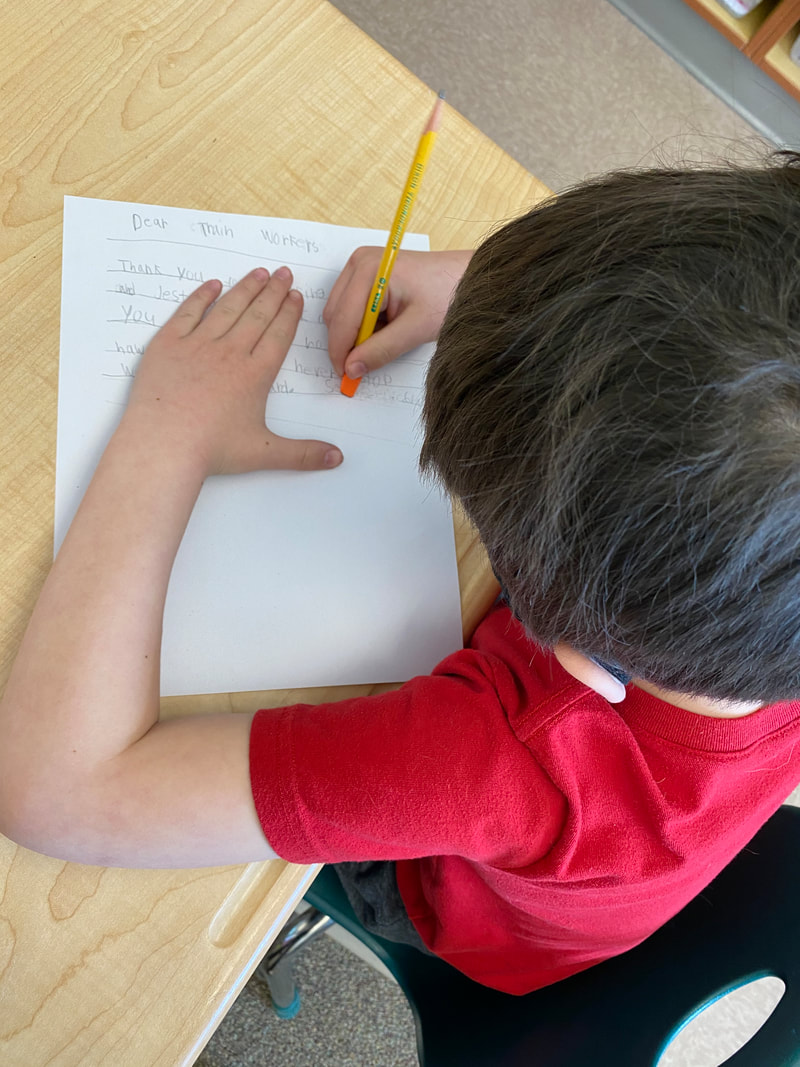
Now, if you don’t know Matt Miller, he is the author of the well known book Ditch That Textbook and many more books. His focus is on technology in the classroom. If you have never checked him out or read any of his books, we highly recommend it! This was, in part, the article we had the opportunity to publish! To check out the entire article in all its glory (photos and graphics included), head over to Matt’s website -> 10 Green Screen Ideas for the Classroom Do you ever have those moments when you take a second to stop and scan your classroom and you think,” Oofta! This place is a disaster!” If you haven’t…. Please tell me your secret to keeping seven year olds tidy! But if you’re like me, this scene is more of a daily occurrence. :) From the very beginning of my career I have always believed that if the kids are the ones doing the work, they are the ones learning. Now, I will tell you, that way of thinking does not always lend itself to Pinterest worthy bulletin boards and Facebook posts. I started teaching in kindergarten...need I say more? But what it does leave you with is a classroom full of students proud of their work, students who are 100 times more sure of their work's purpose and students who are gaining more understanding of the learning. Just last week, my classroom, to one passing by, may have looked like a scene of utter chaos. But to me and my students, we were in the learning zone! Paper scapes were everywhere. Glue and popsicle sticks and construction paper scattered the floor. Students' discussion filled the room (along with a little music..because why not?). It was a messy, loud, beautiful sight. I overhear a table of students talking. One student said, “Look at this mess! We have stuff everywhere.” The other student turned and said, “That’s okay! We are getting a little messy, but we are learning and having fun! Right, Mrs. Rigsby!?” Music to my ears! If you are wanting Pinterest worthy, I can understand that. There is a lot of pressure and eyes on us as educators that make us feel we need to live up to certain expectations. But I would encourage you to examine the ‘Why” of you needing that picture perfect project. Is the student at the center of that project and the learning? So, will my classroom look like a tornado went through it on a daily basis… probably. But there is beauty in that mess. You just might have to dig down past all the construction paper and glue to see it. :) True EmpathyIt was a Friday morning, after a week of inside recess. It was Valentine's Day weekend (aka... classroom celebration day) and the following Monday was a holiday. Hello three day break! This was the set up of a long day. I grabbed my coffee and headed out the door prepared for the craziness. Every morning after announcements the kids come join me at the front of the classroom for a morning meeting and a read aloud. We love sharing books together. On this particular morning I chose a book called Sincerely Emerson. I had found it at our local bookstore. It caught my attention because it was based on a true story of a little girl in a town not far from where I grew up, Sioux Falls, South Dakota. Sometimes I am really good about previewing books before I read them to my class but other times, I hate to admit, I judge a book by it’s cover and can’t wait to hear the story for the first time with the kids. This book was somewhere in between this, I knew just enough for it to be the perfect fit for Valentines Day. I will tell you just enough for this to make sense but you MUST read this book. Emerson is a girl living in a small town. She loves to write letters and would send the letters to her relatives and friends all over. Her letters were written with love and care, decorating each one perfectly. One day she realized that this wouldn’t be possible without her local postman, Doug. She decided to write him a thank you letter. Doug was so appreciative that he told his friends. By the end of the story Emerson’s one thank you letter turned into something amazing. She touched so many people from her hand written letters. As I started to read the book the kids became very quiet and engulfed in the story. Most of the time they are reading along with me, making comments, asking questions, or laughing at the funny parts. You could sense that they were feeling what Emerson was feeling in the story. At the end of the book, I paused, it was quiet... which is very uncommon for this particular group of second graders. Then a small voice said “Mrs. Diede I think I would like to write a letter to someone that might be unnoticed.” As the class listened, this little girl talked about our community of workers in the oil, gas, and coal industries. She told a story about her dad not getting a new warm coat like others had with tears in her eyes. It was then my class showed what I had been waiting for all year. Three of her friends got close to her and showed their support while others started to agree and started to figure out a way to reach more people. By the end of the morning my students had written over 20 different letters to workers in our community, thanking them for working through the nights, the bitter cold weather, and leaving their families behind so we could have heat and power to our homes. They took time to decorate each letter and used their best handwriting. They worried about spelling and even wrote some jokes to make the workers laugh. I have delivered the letters to the appropriate places for our community workers to read and feel the love.
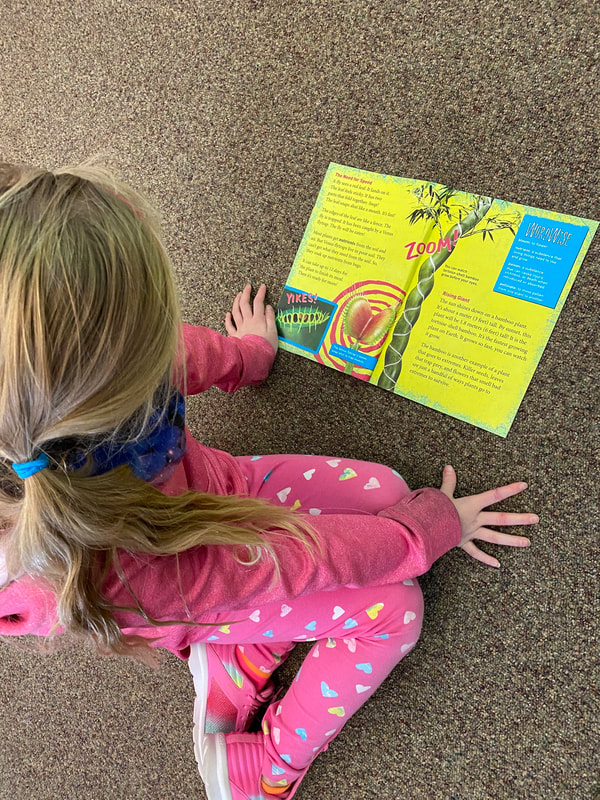
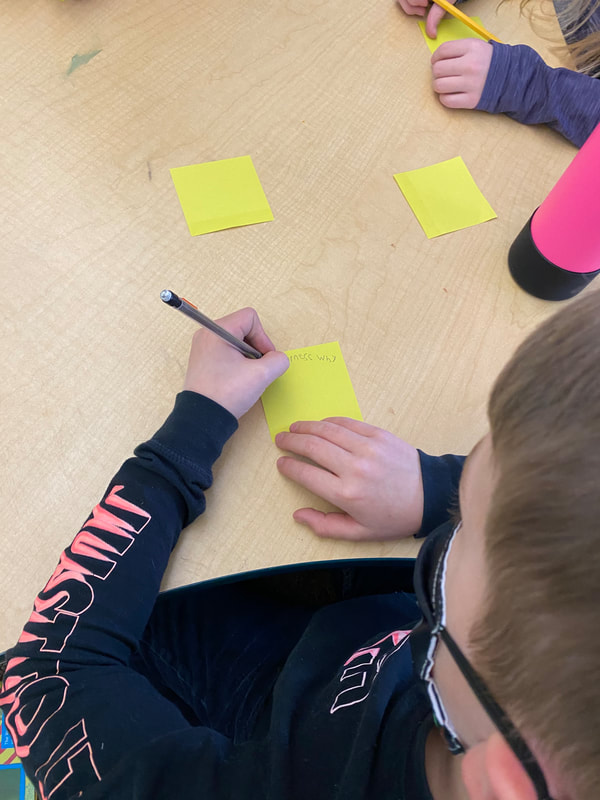
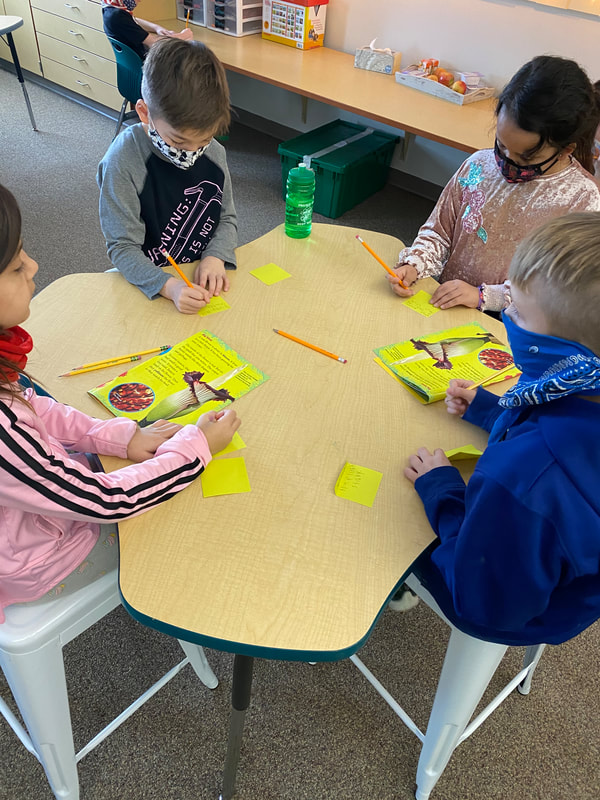
This particular morning wasn’t planned. This was completely student driven and teacher supported. On this morning, amongst the craziness of what our day and week had held, my second graders showed true empathy for their community workers and for their classmates. There was no better way to start Valentine’s Day weekend. The Perfect Lesson This morning was it! The lesson was planned and the goals were set. As teachers, we try to plan the perfect lesson with goals that we will be the perfect fit for our students. Then then...reality hits. Half of the time we have to go to plan b or scaffold it differently (and on the fly) in hopes that the students will still get to the end goal we desired/planned. You just never know where this group of 2nd graders is going to take a lesson. They keep me on my toes and I try to be prepared for what they might throw in my direction. But today… we hit the home run of engagement, smashing goals, and being complete 2nd-grade rockstar readers! Today the lesson was about asking questions when reading in nonfiction. This was a new skill that we have started to work on in our classrooms. As much as kids ask questions they don’t seem to be very proficient at asking questions during a lesson when you really want them to. Since I knew the skill was going to be challenging for them I found a topic I thought would be engaging. It is important to think about what you are asking your students to do, if the skill is new then pair it with something that will either engage them or that they are familiar with. This will allow the students to be able to focus more on the challenge of the skills rather than both pieces. A bug-eating plant…what could be more engaging than that!? Especially when you start your lesson with a short video showing this venus fly trap catching its meal with a SNAP! 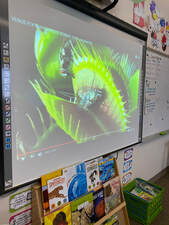 As soon as the jaws closed shut trapping the fly inside my group of kids were hooked and the questions started. Below are some of the questions that the group thought of. How does the plan close up? How does it know the bug is there? How do they smoosh it? What does the plant need to survive? Then the students were sent out with a National Geographic article about these bug-eating plants. They were given sticky notes and got to work reading to find answers to our questions. Students were engaged and excited. You could hear so many different conversations happening. Students were talking to each other about the answers they were finding, discussing their misconceptions about how the plant works and proving each other’s predictions from the text! The perfect lesson doesn’t have to be expensive, incorporate a fancy technology project, or take hours to plan. Sometimes all you need is a good hook and an interesting topic to get the ball rolling. Integrated standards
CCSS.ELA-LITERACY.RI.2.1Ask and answer such questions as who, what, where, when, why, and how to demonstrate an understanding of key details in a text. CCSS.ELA-LITERACY.SL.2.3Ask and answer questions about what a speaker says in order to clarify comprehension, gather additional information, or deepen understanding of a topic or issue.
Love is in the Air |
AuthorMegan and Kara are educational leaders, professional development experts, and current classroom teachers who are improving the way instruction is being delivered in the standard classroom. Archives
February 2024
Categories |

 RSS Feed